
When you're getting started with investing, whether that's by buying shares or investing in a stocks and shares ISA, it's common to wonder how you'll know when the right time is to sell your investments and withdraw your money.
This guide will help you to weigh up that decision, so you can make an informed choice that works with your long-term plan.
Things to consider before withdrawing money from your investments
The best time to withdraw money from your investments is actually quite simple – it should be once you've reached the financial goal you started with.
But this isn't always straightforward! Plans change and there are many factors you might want to take into account when weighing up the decision.
While we can't tell you what's right for you, we can help you to look at all of the things you should be taking into consideration.
Some key things to consider before withdrawing money from your investments are:
- Your financial goals: Have you reached the financial goals that you set out to achieve? If not, ask yourself honestly what your motivation for taking your money out now really is
- Tax: If your money is in an ISA, you don't need to worry about this as there's no tax due on the money you withdraw. But if you hold stocks in a taxable account, you need to consider how much tax you'll pay when you take your money out
- Inflation: As costs go up, the spending power of your money goes down. Make sure you stick to the budgets you put in place and don't make any impulsive decisions based on inflation going up or down
- How you plan to spend the money: With the cost of living going up, you might find that you need more money than you expected when you first started investing. Is that more than you're comfortable withdrawing right now? Factoring in the cost of living is a key part of making informed decisions that support your financial wellbeing
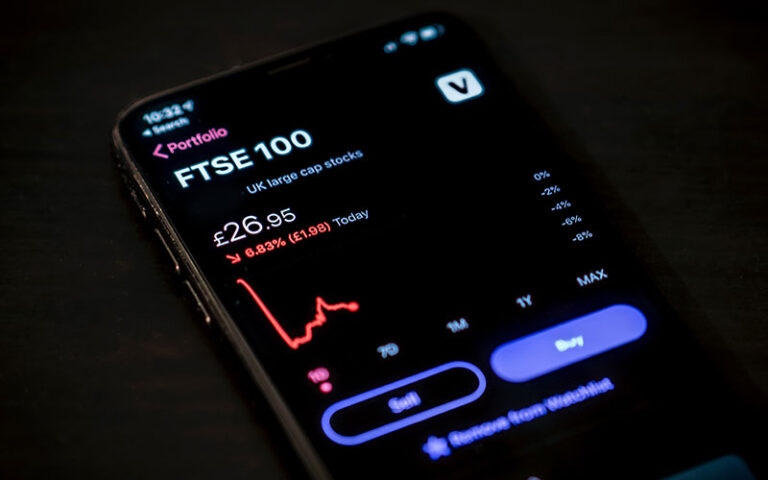
- Risk tolerance: It can feel like you're losing money when the value of your investments starts to fall. If market volatility is making you uneasy and causing you to want to stop investing completely, you could instead consider changing how you invest for example by moving money into a less risky fund.
What is risk tolerance?
Risk tolerance is a person’s (or investor's) ability and willingness to put up with the potential changes in the value of their investments. Think of it as a measure of how comfortable you are with the ups and downs of the value of your investments.
Your risk tolerance tends to depend on things like how long you plan to invest for, your financial goals, how old you are, how much money you have to invest (and can afford to lose) and simply your personal preference.
It’s important to think about your risk tolerance when making investment decisions. If you know you're not comfortable taking much risk with your money, don't be tempted by high-risk, high-reward options!
How to define your financial goals
Your financial goals are simply what you want to achieve money-wise. That could be saving up for something specific, such as a house deposit, or getting to a position where you have enough money to retire comfortably.
It's important to remember what your financial goals are when you're weighing up whether or not to make a withdrawal. You might even have several short-term and long-term financial goals in mind.
But if you're not sure what your goals are, that's ok, it's never too late to start thinking about what you want your money to achieve. Then you'll be in a good position to work out if now is the time to withdraw your investments or not.
Even if you had some idea when you first started investing, you should regularly review and adjust your goals as your situation and priorities change.
Setting short-term financial goals
Short-term financial goals are targets you'd like to reach within one to five years. What would you like your finances to look like in five years' time? Here's a few things to consider to help you work out your priorities and to see if you've already achieved a short-term goal.
Top tip: Work out which of your debts is costing you the most in interest.
Start by paying just the minimum amount on the credit cards with the lowest interest to stop the debt growing, and then use any remaining money to pay off debts with the highest interest to start reducing how much you owe and how much those debts are costing you.
Setting long-term financial goals
We all want more money but the key to setting a strong financial goal is working out what you want that money for. Then you can work out how much you need and you'll be able to see if you've reached your goal.
Long-term financial goals tend to be things that will take five years or longer to reach.
If you didn't have one in mind when you started investing, have a think about what you'd like to achieve in the long-term, even if it feels a long way off.
Top tip: A lifetime ISA could help you save your deposit sooner.
The government tops up everything you save by 25% (you can pay in up to £4,000 each tax year so government bonus is limited to £1,000 each tax year).
Looking to start investing?
Our Stocks and Shares ISA invests in the stock market on your behalf, so it can be a good way to start exploring investing, especially as it comes with three fund choices.
Like with all investments, the value is likely to go up and down over time so there is a risk that your investment could be worth less at the time you choose to withdraw your money.