
After months of rumours, the news has finally been announced: savers will soon be able to save only up to £12,000 of their £20,000 ISA allowance limit each tax year into their cash ISAs.
The news was announced in the Autumn budget on 26 November 2025 and will come into force in April 2027 for the 2027/28 tax year.
There is an exception for those aged over 65, who will be able to continue paying up to the full ISA allowance (£20,000 each tax year) into cash ISAs.
Let’s look at how this change could affect you.
Why is Rachel Reeves making this change?
In February 2025, Rachel Reeves, the Chancellor of the Exchequer, shared potential plans to reform cash ISAs by reducing the maximum amount people could put into them each year.
Her reasoning has remained the same: that it will encourage more people to invest their money instead of save, which she believes will leave people better off.
In her budget announcement, Reeves explained that if a person had saved £1,000 every year in a cash ISA since April 1999, this would be worth roughly £55,000 less than if they had invested it in a stocks and shares ISA.
Of course those numbers won't be true for everyone and depend on things like the fund that the stocks and shares ISA was invested in. And past performance isn't a reliable indicator of future returns.
But £55,000 is a lot of money and that statistic showcases the potential of stocks and shares ISAs.
The rumours around the cash ISA limit reform were met with some backlash from banks, building societies and consumer campaigners, with many arguing that it wasn't the right way to get more people to switch to investing.
What could the cash ISA changes mean for me?
You can currently pay in up to £20,000 each year across different ISAs (although lifetime ISAs have their own limit of £4,000 per year).
From April 2027, you'll only £12,000 of this into cash ISAs each tax year (if you're under 65). The overall ISA limit isn't changing.
For any remaining money you'd usually put into a cash ISA, you could either:
- pay into a savings account. You wouldn't benefit from the tax advantages of ISAs though, meaning you may have to pay tax on interest
- invest it, for example into a stocks and shares ISA. This is the ultimate aim of the proposed changes.
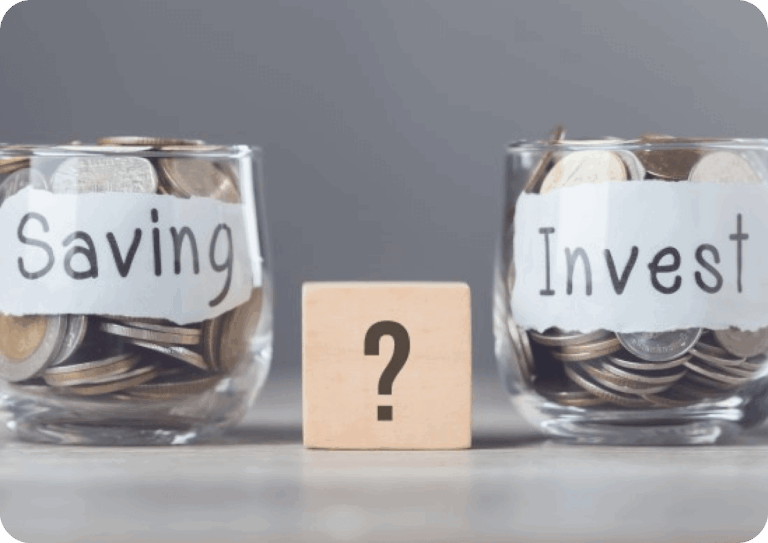
Saving vs investing
The driving force behind the cash ISA limit reduction is to encourage more people to invest their money. This'll hopefully boost economic growth, as well as give savers more potential for their money to grow than with cash savings.
A 2024 report by Barclays found that 13 million UK adults hold £430 billion of “possible investments” in cash savings, missing out on the opportunity for better returns on their money.
And Rachel Reeves has been quoted as saying:
It's really important that we support people to save, to achieve their aspirations. I'm not going to reduce the £20,000 ISA limit but I do want people to get better returns on their savings, whether that's in a pension or in their day-to-day savings.
Rachel Reeves, Chancellor of the Exchequer
But if you're not sure whether investing is for you, we get it.
While there's potential for greater returns with investing, it also comes with greater risk. Understanding these risks can help you weigh up whether investing is right for you.
We believe investing should be accessible to everyone. And that often starts with financial education. A great place to start is with our saving vs investing article, which looks at the pros and cons of both to help you decide where you want to put your money.
Open a OneFamily Stocks and Shares ISA
Simply choose one of our three climate-focused funds to start investing in our Stocks and Shares ISA.

As the name suggests, our Stocks and Shares ISA invests in stocks and shares. The value is therefore likely to go up and down over time.
This is normal for this type on investment, but it means there is a risk you could get back less than you put in if you withdraw at a time when the value is lower.