
5 misconceptions about insuring a learner driver

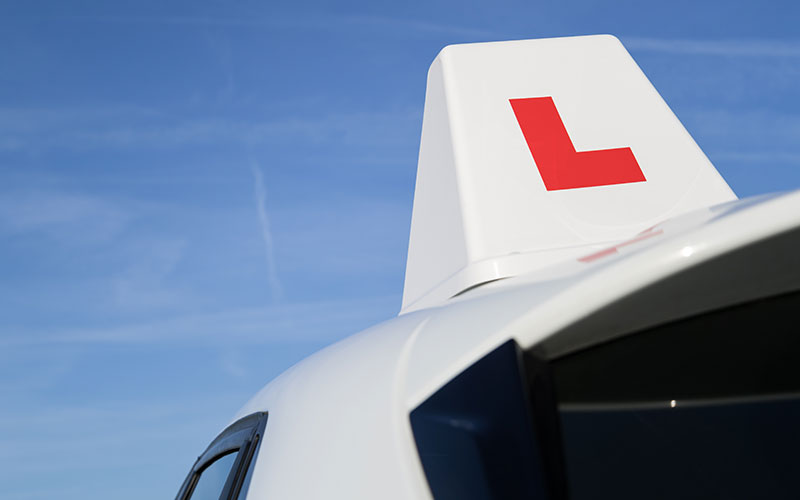
A white car with a learner box sign on the roof.

Written by Alex Johnson, Brand Manager at Marmalade

We explain some common misconceptions about insuring a learner driver and how you can help your child get some driving practice safely.

Breaking down the myths

There are a few common misconceptions when it comes to insuring a learner driver - we’re here to set the record straight and help you find the best way!

You can’t insure a provisional licence holder on their own car

Not true! At Marmalade, we get a number of calls from parents who think they have to wait until the learner has passed their test to start their own policy.

Learner drivers can be insured on their own car

If they’re lucky enough to have their own car, learner drivers can have their own insurance on that car anytime from when they get their provisional licence. Marmalade’s black box insurance covers them seamlessly from learner through to full licence.

The great news is there is no increase in price when they pass and they will start earning their own No Claims Discount!

Buying a separate policy for the learner will invalidate my insurance

Incorrect! You may think this sounds like dual insurance, which is where the same risk (the car in this case) is insured by more than one policy.

Learner Driver Insurance won't affect a parent's car insurance

The clever thing about Learner Driver Insurance is that we’re actually insuring the learner driver when they are behind the wheel of the car - rather than insuring the car at all times. The cover is comprehensive, and even better - there is no risk to your no claims bonus, as it’s completely separate to the main insurance.

This also means, you can insure more than one learner at a time on a parent’s car - if you’re ‘lucky’ enough to be helping more than one child through their driving test at the same time!

It’s more expensive to insure a learner driver than a full license holder

You would be forgiven for thinking that insurance for learning drivers would be ridiculously expensive, as they have next to no experience on the roads, and that insurance for a full license holder may be cheaper.

Insuring a learner driver isn't more expensive than insuring a new license holder

The truth is that the learner driver is likely to be driving around quieter roads and is likely to be driving slowly and carefully.

In addition to this they are always supervised by an experienced driver. Plus, as they’re displaying L plates, other drivers are very aware of their inexperienced status so most sensible drivers are likely to give them space. This actually means the risk of a claim isn’t that high.

Compare this to a newly qualified driver that is driving solo for the first time on a new road, without an experienced driver on hand for help and advice - the risk here is higher, hence insurance for newly qualified drivers is often the most expensive time to buy insurance. However, black box insurance can help to keep the costs down.

Learner drivers can’t earn No Claims Bonus

If you’re thinking your learner won’t be able to start earning their own No Claims Bonus until they have their full licence, you’re wrong.

Choosing the right policy as a learner driver can help them earn their No Claims Bonus sooner

Whilst it may take a learner driver 6 months’ on average to pass their test (not enough time to earn a year of No Claims), choosing an annual policy that continues to cover them after they pass will help them earn that money saving NCD much sooner.

The great news is that Marmalade offers learner to full licence insurance on a parent’s car or on their own car - and the price won’t go up when they pass!

A car that’s old and cheap to replace makes a good first car

This could be a costly mistake.

We understand the logic behind this in that you may be thinking that a cheap car that is cheap to replace will be cheaper to insure if it’s damaged or written off - however, it’s not just the cost of replacing the car that is considered when insurers quote for the risk.

An older car may be more expensive to insure

When insurers quote for risk, they are also looking at the likelihood of that car being in an accident that causes damage to a third party or property. The fact is that older cars have less safety features and may be heavier - so may in fact lead to more expensive third-party claims. Higher risk means higher premiums.

As newer cars have more safety features, they are actually lower risk so may be cheaper to insure. I know we’re only talking about insurance in this article, but an “old banger” may also be costly in terms of repair and running costs.

We advise any parent to get young driver insurance quotes on any car they are considering before they commit to buying to check it is affordable.

So there you have it, 5 myths about insurance de-bunked! A lot has changed since most of us parents learned to drive, with many more flexible options for young drivers to get behind the wheel for extra practice to prepare them for life on the road.

Marmalade are proud to work with OneFamily to provide insurance options for young drivers at every stage of driving as well as tips and advice on learning to drive and how to become a safer driver.